One Continuous Membrane
Seals seams, cracks, and flashing across the whole roof, not just the spot that happens to be leaking right now.

Seals seams, cracks, and flashing across the whole roof, not just the spot that happens to be leaking right now.
Silicone reflects UV instead of absorbing it, easing the load on a building's AC system.
A seamless cured membrane holds up against one of Florida's most common flat-roof failure points.
Get a warranty on the roof without spending what a full replacement would cost.
If your roof is aging, ponding water, or starting to leak at the seams, replacement isn't the only path forward. All-Type Roofing Services installs silicone roof coatings across the Treasure Coast and Palm Beaches that restore an existing roof, seal off problem areas, and add years of protection at a fraction of the cost of tearing off and starting over.
We work on commercial flat roofs, low-slope residential roofs, and metal roofs, and we're upfront about which ones are good candidates for coating and which ones actually need a replacement.
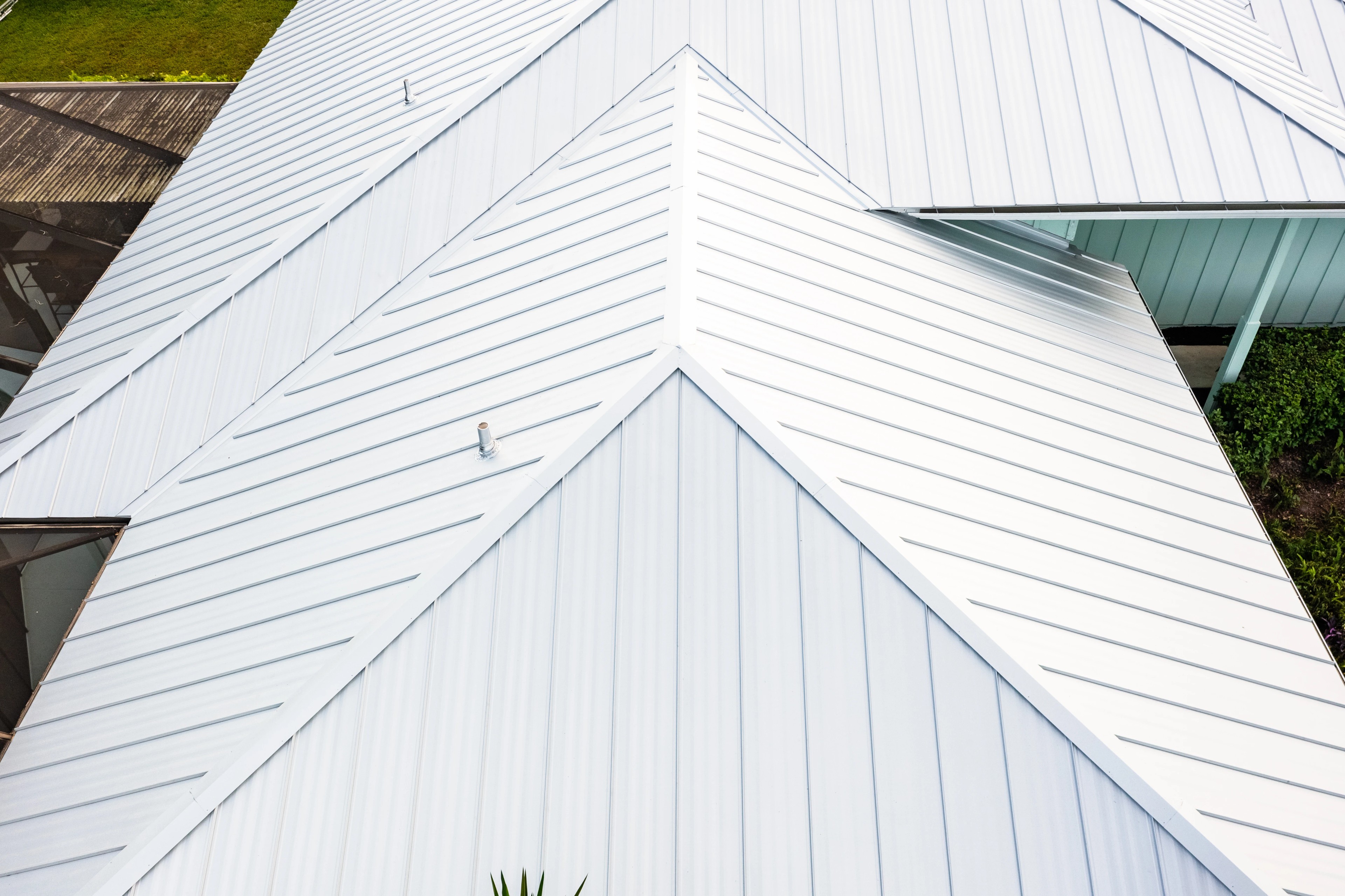
Silicone roof coating is a liquid material that's rolled or sprayed directly onto your existing roof. Once it cures, it forms a seamless, waterproof membrane that seals seams, flashing, and fastener points across the whole surface instead of patching individual trouble spots.
That membrane does a few things at once:
Silicone bonds to a wide range of substrates, which is why it works on so many different roofs in this market. We apply it over metal roofs, built-up roofing, mineral cap sheet, single-ply membranes (EPDM, Hypalon, TPO/CPA), spray polyurethane foam, concrete, wood, and roofs that already have an older elastomeric coating on them.
A coating makes sense when the roof deck underneath is still sound and the damage is at the surface: a worn membrane, a handful of small leaks, UV wear, or a roof that's aging but not failing outright. Replacement is the better call once the deck itself is compromised or a roof has already been patched or coated past the point where another coat will hold.
We'll tell you straight which category your roof is in during the inspection, even if that means recommending against a coating.
We install silicone systems from Mule-Hide, Gaco, and APOC, chosen based on your roof and building. Adding a silicone coating to your existing roof can carry a 10 to 20 year warranty option from All-Type Roofing Services on top of the manufacturer’s own warranty on the material. Manufacturer terms vary by product, so we’ll put the exact coverage in writing with your proposal.
Inspection
We walk the roof, check the deck and drainage, and confirm it's a good candidate for coating instead of replacement.
Cleaning
The roof gets pressure washed, and any loose debris, rust, or failing sealant gets cleared away.
Repairs
Seams, flashing, and any active leak points get repaired before coating goes on, not covered up.
Coating application
Silicone goes on in multiple coats, to the manufacturer's spec, building the seamless membrane.
Walkthrough
Once it’s cured, we walk the roof with you and go over what to expect going forward, including maintenance.
A free inspection tells you whether coating or replacement is the right call for your roof.
Call Us: (772) 800-6100A properly installed silicone coating is built to last for years, and most jobs come with a 10 to 20 year warranty option from All-Type Roofing Services in addition to the manufacturer’s own warranty on the material.
Yes. Coating a bare metal roof seals seam and fastener points into one continuous membrane and cuts down the heat the metal absorbs and radiates, which is a common reason property owners ask about metal roof coating specifically.
Coating addresses surface-level leaks, worn seams, and flashing issues well. If the deck underneath is already compromised, coating alone won't fix that, and we'll say so during the inspection instead of selling a coating that won't hold.
A coating goes on top of the roof you already have; a replacement means tearing off the existing system and starting over. Coating costs less in labor and material and causes far less disruption, but it only works when the roof structure underneath is still sound.
Silicone reflects UV rays instead of absorbing them, which reduces the heat that makes its way into the building and eases the load on the AC system, especially on metal and flat commercial roofs that take direct sun most of the day.
Metal roofs, built-up roofing, mineral cap sheet, single-ply membranes like EPDM and TPO/CPA, spray foam (SPF), concrete, wood, and roofs with a pre-existing elastomeric coating.
We work with products from Mule-Hide, Gaco, and APOC, depending on what fits your roof and building.
Yes. While coatings are common on commercial flat roofs, we also coat low-slope sections on residential properties, including flat additions, lanais, and garage roofs.