Are you deciding between repairing or replacing your roof? All-Type Roofing Services explores the factors to consider when determining the best option for your home.
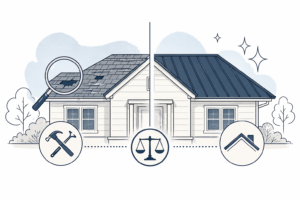
It’s important to remember that your roof plays a crucial role in protecting your home and everything inside it. Over time, wear and tear are inevitable, and you may find yourself faced with the decision of whether to repair or replace your roof. Each option has its pros and cons, and understanding them will help you make an informed decision that suits your needs and budget.
First, It’s Important to Understand the Basics of Roof Repair
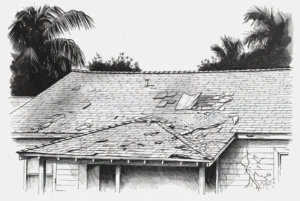
Roof repair involves addressing specific issues such as leaks, damaged shingles, or flashing problems. The process of roof repair usually starts with a thorough inspection by a professional roofer. Once the issues are identified, the necessary repairs can be carried out.
Roof repair is a crucial aspect of maintaining the integrity and longevity of your home. A well-maintained roof not only protects your property from the elements but also enhances its overall curb appeal. Understanding the basics of roof repair can help you make informed decisions when it comes to caring for your roof.
The Process of Roof Repair
Roof repair typically begins with the removal of any damaged or worn-out materials. This may include replacing individual shingles or sections of the roof. Next, the roofer will address any underlying issues, such as rot or mold, and repair or replace damaged underlayment or flashing. Finally, the repaired area will be sealed to ensure its durability and to prevent further leaks or damage.
It is essential to hire a reputable and experienced roofer to handle your roof repair needs. A skilled professional will not only identify the visible issues but also assess the overall condition of your roof to address any potential problems before they escalate. Investing in quality roof repair services can save you time and money in the long run.
What are Common Roof Repair Issues?
- Roof Leaks: Often resulting from damaged or missing shingles, compromised seals around vents and chimneys, or inadequate underlayment.
- Damaged Shingles: Including cracked, curled, or completely missing shingles which can expose the roof to water damage.
- Sagging Roof: Caused by structural issues, water saturation, or inadequate support, indicating potential serious underlying problems.
- Problems with Flashing: Flashing around vents, skylights, chimneys, and along seams can become loose or corroded, leading to leaks.
- Inadequate Ventilation: Poor ventilation can cause heat and moisture to build up, leading to rot, mold, and weakened roof structure.
- Clogged Gutters: Gutters filled with debris can cause water to back up and potentially damage the roof, fascia, or soffit areas.
- Standing Water: Commonly seen on flat roofs, where poor drainage can lead to leaks and structural damage over time.
- Shrinkage: Roofing materials, especially those covering flat roofs, can shrink over time, causing cracks and pulling apart flashings.
- Damaged Flashing: Separation or deterioration of flashing can lead to exposed and vulnerable areas on the roof.
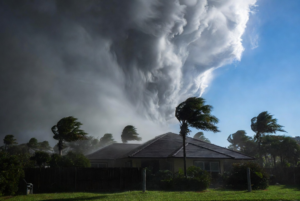
- Storm Damage: High winds, hail, and heavy rains can remove or damage shingles and other roofing materials.
- Trees and Shrubbery: Overhanging branches can scrape roofing materials, causing damage, while falling limbs can cause more severe impact damage.
- Shrinking Roofing Materials: This can lead to cracking, deterioration, and damage to the flashing and roof membrane.
In addition to addressing immediate repair needs, it is advisable to schedule regular roof maintenance to prevent potential issues from arising. Simple tasks such as cleaning gutters, trimming overhanging branches, and checking for signs of damage can help you catch problems early and avoid costly repairs down the line.
The Lifespan of a Repaired Roof
While roof repair can effectively prolong the life of your roof, it is important to be aware that repaired sections may have a shorter lifespan compared to a completely replaced roof. However, regular maintenance and prompt repairs can significantly extend the overall lifespan of your roof.
By staying proactive and addressing roof repair needs in a timely manner, you can ensure that your roof remains in top condition for years to come. Remember, a well-maintained roof not only provides protection for your home but also adds value to your property.
Delving into Roof Replacement
If your roof has significant damage, is nearing the end of its lifespan, or you simply want a fresh start, roof replacement may be the better option. Roof replacement involves the complete removal of the existing roof and the installation of a new one.
Investing in a roof replacement can not only enhance the aesthetic appeal of your home but also increase its overall value. A new roof can improve energy efficiency, provide better insulation, and enhance the structural integrity of your property. Additionally, modern roofing materials come in a variety of styles and colors, allowing you to customize the look of your home to suit your preferences.
When is Roof Replacement Necessary?
Roof replacement becomes necessary when the damage is extensive, such as widespread leaks or significant structural issues. Additionally, if your roof is nearing the end of its expected lifespan, replacing it before major problems occur can save you from more costly repairs down the line.
The Average Lifespan of Different Roof Types
Asphalt Shingles:
Asphalt shingles remain one of the most popular roofing options due to their affordability and versatility in color and style. While they’re often marketed with 20–30 year lifespans, in Florida’s heat, UV exposure, and storm conditions, most systems realistically perform closer to 15–25 years. Proper ventilation, quality underlayment, and routine maintenance can help maximize their lifespan, but they are still more vulnerable to wind uplift and granule loss compared to other systems.
Sources:
- National Roofing Contractors Association
- Florida Building Code
Metal Roofing:
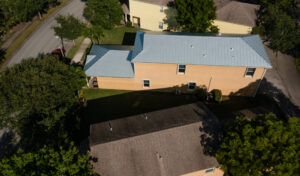
Metal roofing—especially standing seam systems—has become increasingly popular in Florida for its durability and clean look. These systems are designed to handle high winds, heavy rain, and intense sun exposure. In real-world Florida conditions, a properly installed metal roof can last 30–50+ years, with minimal maintenance compared to other materials. Its resistance to cracking, shrinking, and erosion makes it one of the most reliable long-term options in coastal environments.
Sources:
- Metal Roofing Alliance
- Florida Building Code
Wood Shake (Wood Shingles):
Wood shake roofs offer a natural, high-end look but are far less common in Florida due to moisture, humidity, and fire considerations. Even with proper maintenance, their lifespan typically ranges around 15–25 years, and they require consistent upkeep to prevent mold, rot, and insect damage. Because of Florida’s climate, they are generally not the most practical or long-lasting option compared to modern alternatives.
Sources:
- National Roofing Contractors Association
- U.S. Department of Energy
Tile Roofs:
Tile roofing systems are common throughout South Florida and are often chosen for their curb appeal and durability. While the tile itself can last for decades, the roof system as a whole typically lasts around 25–30 years in Florida before requiring replacement. This is because the underlayment and waterproofing components beneath the tile break down long before the tile does. Many
homeowners assume tile roofs last 50+ years, but in this climate, that lifespan usually applies only to the tile—not the full system.
Sources:
- Tile Roofing Industry Alliance
- Florida Building Code
Built-Up Roofing (Flat Roofs):
Built-up roofing (BUR) systems are commonly used on flat or low-slope roofs. In Florida, these systems typically last 15–25 years, depending on drainage, ponding water, and maintenance. Florida’s heavy rains can accelerate wear if proper slope and drainage aren’t in place, making routine inspections critical. When maintained properly, BUR systems can still provide reliable waterproofing for commercial and residential flat roofs.
Sources:
- National Roofing Contractors Association
- Florida Building Code
It’s essential to consult with a professional roofing contractor to assess the condition of your roof and determine if replacement is the best course of action. They can provide expert advice on the most suitable materials for your specific needs and ensure that the installation is done correctly to maximize the lifespan of your new roof.
The Process of Roof Replacement
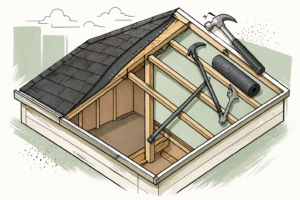
Roof replacement usually begins with the removal of the existing roof materials, including shingles, underlayment, and flashing. Once the old roof is removed, the roof deck is inspected for any damage or rot that needs to be addressed. Then, new underlayment, shingles, and flashing are installed, providing your home with a brand-new roof.
During the installation process, proper ventilation and insulation are crucial to prevent issues such as mold growth and energy loss. A well-installed roof not only protects your home from the elements but also contributes to a healthier indoor environment and lower energy bills.
The Longevity of a Replaced Roof
A properly installed and well-maintained roof replacement can have a lifespan of 20-30 years or more, depending on the materials used and the quality of the installation. Regular inspections, maintenance, and prompt repairs as necessary can help maximize the lifespan of your new roof.
By investing in a high-quality roof replacement and following a proactive maintenance plan, you can ensure that your home remains safe, secure, and protected for years to come. A new roof not only provides peace of mind but also adds to the curb appeal and value of your property, making it a worthwhile investment in the long run.
Comparing Costs: Repair vs Replacement
When deciding between roof repair and replacement, cost is often a significant factor. It’s important to consider both the upfront costs and the long-term expenses associated with each option.
Aside from cost, another crucial aspect to consider when weighing the decision between roof repair and replacement is the age of your current roof. Older roofs may require more frequent repairs and could be nearing the end of their lifespan, making replacement a more practical long-term solution. Additionally, the climate and weather conditions in your area can impact the durability of your roof, influencing the frequency of repairs needed.
The Cost of Roof Repair
The cost of roof repair can vary based on the extent of the damage, the materials needed, and the labor required. Generally, roof repair is more affordable than replacement, especially if the repairs are minor or localized. However, it’s essential to consider potential future repairs and their costs when making your decision.
Furthermore, the skill and experience of the roofing contractor you hire for the repairs can also affect the overall cost. A reputable and experienced contractor may charge higher fees but provide quality workmanship that can prolong the lifespan of your roof and reduce the need for frequent repairs.
The Cost of Roof Replacement
Roof replacement is a more substantial investment compared to repairs. The cost of replacement depends on factors such as the size and complexity of the roof, the selected materials, and any additional requirements, such as removing old layers of roofing materials. While the upfront cost may be higher, a properly installed new roof can provide long-term value and peace of mind.
Moreover, advancements in roofing technology have introduced more energy-efficient and durable materials for roof replacement, which can result in long-term cost savings on energy bills and maintenance. Additionally, some roofing manufacturers offer warranties on their products, providing added protection and value to your investment in a new roof.
Evaluating Your Home’s Needs
When deciding between roof repair and replacement, it’s crucial to evaluate your home’s specific needs and circumstances. Several factors should be considered to make an informed decision.
Roof maintenance is an essential aspect of homeownership, and understanding the current state of your roof is the first step toward making the right choice. Assessing the overall condition of your roof involves taking into account various factors, such as its age, extent of damage, and the frequency of necessary repairs. If your roof has experienced numerous issues and repairs, a replacement may be a more cost-effective and long-term solution.
Consider the Age of Your Home and Your Roof’s Lifespan
Another crucial factor to consider is the age of your home and the roof’s expected lifespan. If your home is older and the roof is nearing the end of its expected lifespan, it may be wiser to invest in a roof replacement rather than continual repairs. Not only does a new roof ensure your home’s protection, but it can also enhance its curb appeal and value.
Factoring in your future plans is also essential when making this decision. Consider how long you plan to stay in your current home. If you intend to sell in the near future, a roof repair may be sufficient to address any immediate issues. However, if you plan to stay for an extended period, investing in a roof replacement can provide long-term peace of mind and potentially increase the value of your home.
Keep in mind that different types of roofs have varying lifespans. For instance, asphalt shingle roofs typically last around 20 to 30 years, while metal roofs can last up to 50 years or more. Understanding the lifespan of your current roof material can help you make a more informed decision.
Contact All-Type Roofing Services to Get a Quote!
The choice between roof repair and replacement depends on several factors, including the extent of the damage, the age of your roof, and your long-term plans for your home. While roof repair offers a more immediate and cost-effective solution, roof replacement provides long-term durability and enhanced value. Consulting with a professional roofer like our team at All-Type Roofing Services can help you assess your specific situation and make the best choice for your home and budget.
All-Type Roofing Services offers both roof repair and replacement services. We are available to service your roofing needs throughout Martin, St. Lucie, and Palm Beach County, Florida! Contact our team today!